
US Senate's Russia Sanctions Bill Threatens India's Export Competitiveness
Indian exporters risk losing the tariff advantage secured under Section 301 if proposed legislation becomes law and secondary sanctions of up to 100% are imposed on Indian exports to the US.
LW Desk
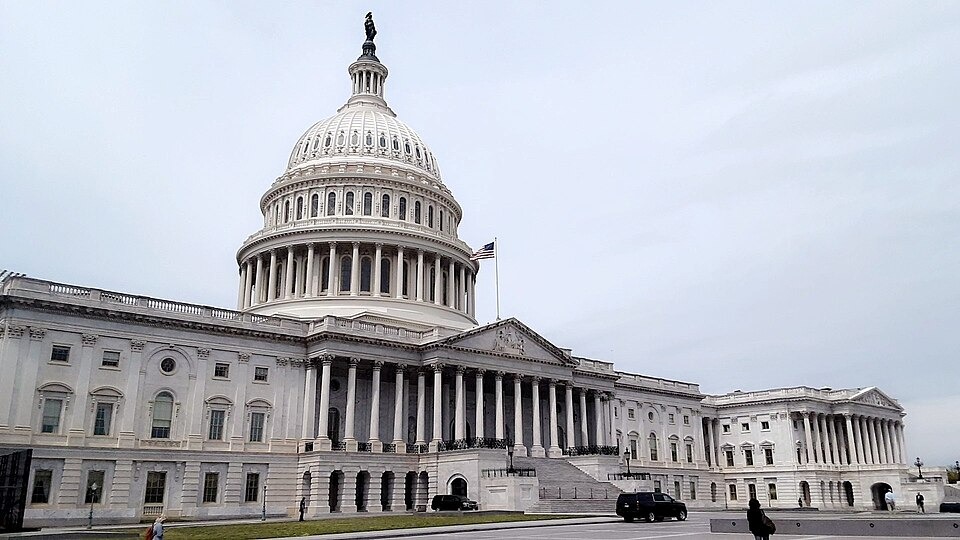
India could face renewed trade uncertainty in the United States after the US Senate advanced a bipartisan Russia sanctions bill that would allow President Donald Trump to impose tariffs of up to 100% on imports from countries purchasing Russian oil and natural gas, including India. The move comes just days after India secured a comparatively favorable position under the final US Section 301 forced labour measures, where it was placed in the lower additional tariff tier of 10%.
The contrasting developments present a mixed outlook for Indian exporters. While the Section 301 decision offers a relative competitive advantage over many countries, the proposed Russia sanctions legislation could create a much larger trade risk if enacted and applied to India.
Senate Advances Russia Sanctions Bill
The bipartisan legislation, backed by a strong majority in the US Senate, seeks to tighten economic pressure on Russia by targeting its energy revenues. The bill authorizes the US President to impose tariffs of up to 100% on goods imported from major buyers of Russian oil and natural gas, with India and China specifically identified among the largest purchasers.
Besides targeting Russian officials, financial institutions and the so-called "shadow fleet" used to transport Russian oil, the bill also strengthens sanctions linked to Iran's energy and defence sectors.
However, the legislation has not yet become law. It must still receive final approval from both chambers of the US Congress before reaching the President's desk.
India's Recent Section 301 Relief
Just over a week earlier, the United States Trade Representative (USTR) announced the final outcome of its Section 301 investigation into forced labour practices. India's additional tariff was reduced from the proposed 12.5% to 10%, placing the country in a lower tariff tier than many other economies covered by the investigation.
According to the Government of India:
Around 45% of India's exports to the US remain outside the scope of the additional duty.
Products such as generic pharmaceuticals, smartphones and several specified goods continue to be exempt.
Steel, aluminium and auto parts already covered under Section 232 measures are also excluded from the additional Section 301 duty.
The remaining 55% of exports will attract the 10% additional duty.
The lower tariff was viewed as the result of sustained engagement between India and the United States during the investigation.
How Could India Be Affected?
If the Russia sanctions bill is eventually enacted and the tariff authority is exercised against India, the impact could be significantly greater than the recently announced Section 301 measures.
Potential implications include:
Loss of pricing competitiveness: Indian products entering the US market could become substantially more expensive if subjected to tariffs of up to 100%.
Pressure on labour-intensive sectors: Leather, footwear, textiles, apparel, engineering goods and other export-oriented industries could face reduced demand in the US.
Higher uncertainty for exporters: Businesses may delay investment and export planning until there is greater clarity on US trade policy.
Possible changes in energy sourcing: India may face increasing pressure to diversify crude oil imports away from Russia to reduce potential trade risks.
Impact on ongoing trade negotiations: The proposed India-US Bilateral Trade Agreement could become even more important as both countries seek to address broader trade concerns.
What It Means for the Leather and Footwear Industry
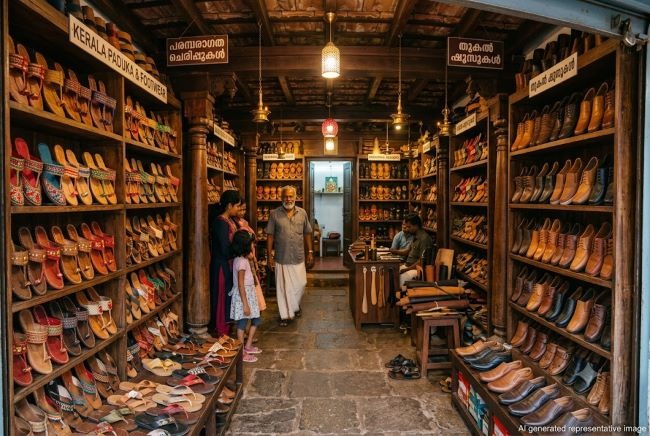
For India's leather and footwear sector, the recent Section 301 decision had provided some relief by keeping the additional tariff at 10%, offering a relative advantage over exporters facing higher tariff levels.
However, the proposed Russia sanctions legislation introduces a fresh layer of uncertainty. Should the US eventually impose the maximum tariffs authorised under the bill, any competitive gains achieved under the Section 301 framework could be outweighed by significantly higher import duties.
Looking Ahead
For now, the immediate tariff regime affecting Indian exports remains unchanged. The Russia sanctions bill is still moving through the US legislative process and has not yet taken effect.
Industry stakeholders are expected to closely monitor developments while India continues discussions with Washington on the proposed Bilateral Trade Agreement. The outcome of these negotiations, together with the final shape of the sanctions legislation, will play a key role in determining the future competitiveness of Indian exports in the US market.
---