
Kanpur’s tanneries: balancing ecological norms with economic survival
Redefining regulatory compliance and industrial support to the sector is crucial to safeguard India’s leather exports and employment.
LW Desk
Kanpur’s Jajmau cluster is one of India’s leading leather manufacturing and export strongholds. The sector currently finds itself in a very delicate situation where environmental imperatives are hampering industrial viability. While the concerns for ecological sustainability is genuine, the over-regulation has inadvertently created a unsustainable situation for Micro, Small, and Medium Enterprises (MSMEs).
Istekhar Ahmed, Owner of Kanpur-based Amaan Tanners, stated, “Environmental compliance is escalating the overall operating costs for small-scale tanneries in Kanpur. The Kanpur leather cluster comprises around 300 units, most of which are small-scale enterprises. For businesses of our size, bearing these heavy compliance costs has become nearly impossible. It squeezes our profit margins and severely impacts our competitiveness in the market.”
Ahmed underlined the stark divide between larger setups and small operations within the hub, “Out of the roughly 300 active units here, 250 to 275 are small-scale tanneries. Only a handful are medium-sized companies, and they have the deep pockets to handle these costs. It is the small units like ours that bear the real brunt. We are small business owners who work alongside our labourers on the factory floor just to earn a modest profit.”
Regulatory Bottlenecks
Highlighting the systemic hurdles faced by the industry, Mohd Arif, Director of Kanpur-based leather unit Marina International, pointed out that environmental and pollution-related regulatory compliance remains a bigger bottleneck facing Kanpur’s leather sector, emphasizing that until long-term solutions for waste management are coupled with clear policy frameworks, operating a viable, growth-oriented leather business in Kanpur will remain an uphill task.
This operational strain extends directly onto the factory floor. As Istekhar Ahmed added: “We now have to hire dedicated experts just to ensure regulatory compliance, which takes our focus away from core operations, causing factory production to suffer. Even when we fully ensure compliance at our end, multiple agencies, including the Pollution Control Board, third-party auditors, and groundwater authorities, frequently visit our premises. Between fulfilling paperwork and meeting endless technical requirements, small tannery owners face major operational bottlenecks that reduce total output and inflate production costs.”
ETP Management and Public Support
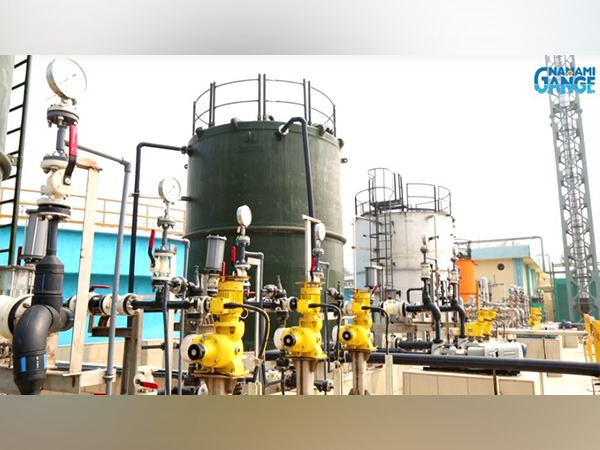
To resolve this impasse and foster genuine ease of doing business, the industry advocates for a fundamental shift in how industrial pollution is managed and monitored. A central point of contention for small owners is the duplication of monitoring despite shared investments in infrastructure. As Ahmed pointed out, “A Rs 500-crore Common Effluent Treatment Plant (CETP) has already been established, with small tannery owners together contributing Rs. 60 crores to get it running. But even after making this contribution, tanneries are monitored for compliance and discharge.”
According to Ahmed, now that the CETP is fully operational, compliance testing should happen exclusively at the CETP level where the final discharge occurs. “The CETP management is responsible for the final discharge into the water bodies; individual tannery owners do not discharge directly into the river. There is simply no justification for constantly inspecting individual tanneries when our primary effluent is routed straight to the common treatment facility,” he added.
Mohd Arif echoed this demand for structural reform, asserting that the government must take primary responsibility for managing leather industry pollutants, including the treatment and remediation of industrial effluents. He argues that rather than placing the excessive compliance burden on manufacturers, the government should handle wastewater treatment, including primary-stage processing, to ensure unified environmental management.
For this collaborative model, Mohd Arif suggests that the government could levy a reasonable user fee on factory owners while subsidizing roughly 75 percent of the overall treatment costs, noting that MSMEs simply cannot absorb heavy operational expenses at a time when squeezed margins and broader economic headwinds are already straining their viability.
Sustainable Industrial Growth
“The frequent regulatory check creates unnecessary hurdles,” said Ahmed. Similarly, Mohd Arif underlines that industrial units should not be subjected to multiple checks and inspections, cautioning that too much regulatory burden may destabilize operations and such destabilisation will also deter labour from seeking long-term employment in the leather sector. To conclude, transforming Kanpur’s leather manufacturing into a sustainable economic hub demands an integrated approach, one that replaces multi-agency regulatory oversight with shared public-private infrastructure investment, centralized end-point monitoring, predictable policy guidelines, and structured financial support, thereby safeguarding both the Ganga’s ecosystem and the commercial vitality of India's leather trade.
Top Stories
Related Articles

Four-Day Asia Bags and Cases Fair, Scheduled From October 30, Grows 2.5 Times in Size
Jordan’s Leather and Garment Sector Targets $5.5 Billion in Annual Exports, Plans IFC-Backed Textile Cluster
Agra Footwear Industry Favours Global Tech Adoption for Elevating Production