

Systemic bottlenecks impacting sector growth: CLE VC Mukhtarul Amin
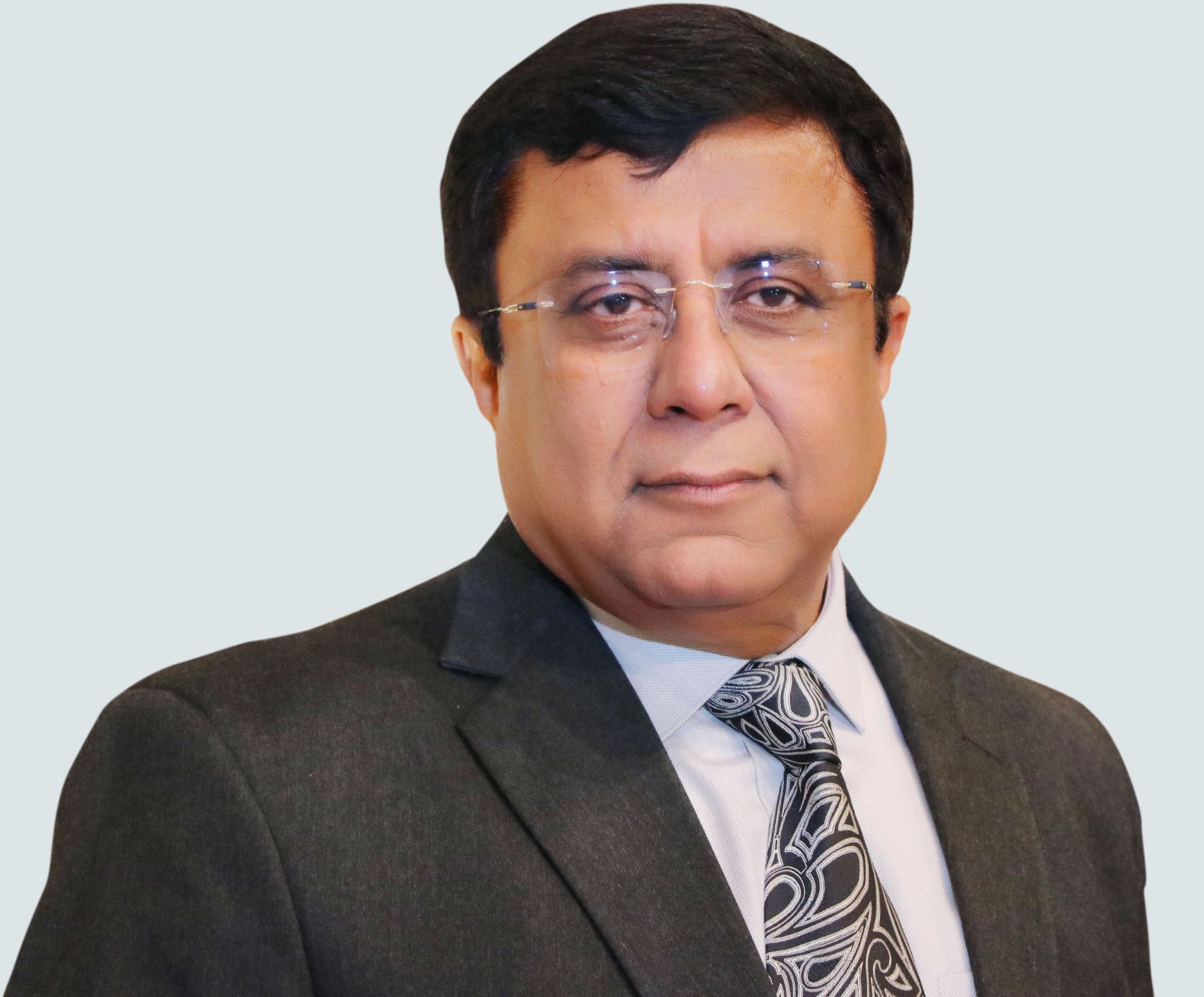
"The sector is facing multiple challenges that directly impact its growth trajectory and global competitiveness. Primarily, the industry is witnessing a sharp rise in input and logistics costs, driven by the crisis in West Asia and broader global supply chain disruptions."
Prem Kumar
India’s leather and footwear industry finds itself at a critical juncture. While grappling with global supply chain uncertainty, rising input costs, and shifting compliance standards, the sector simultaneously sits on the cusp of transformative growth, catalysed by the global ‘China Plus One’ sourcing strategy.
In an interview with Leather World News, Mukhtarul Amin, Vice Chairman, India’s Council for Leather Exports (CLE), and Chairman of the Superhouse Group, discusses the complexities of market competitiveness, MSME modernisation, and evolving ESG mandates. He details the structural reforms, strategic pivots, and policy interventions required to elevate India’s status as a leading global manufacturing hub.
Q1: The Indian leather and footwear sector is currently navigating significant global volatility. What are the primary macro-economic and supply chain challenges confronting the industry today?
Amin: The sector is facing multiple challenges that directly impact its growth trajectory and global competitiveness. Primarily, the industry is witnessing a sharp rise in input and logistics costs, driven by the crisis in West Asia and broader global supply chain disruptions. Simultaneously, we face a heavy dependence on imports for non-leather footwear components, such as PU, PVC, soles, mesh fabrics, and technical textiles.
For the genuine leather segment, a major commercial concern is the increasing dominance of synthetic products in the domestic market. Many of these PU and PVC products are misleadingly marketed as ‘genuine leather’ at significantly lower prices. This practice not only erodes consumer confidence but also places immense financial pressure on genuine leather manufacturers.
Q2: Beyond raw material constraints, how are domestic manufacturers, particularly MSMEs, faring against intense international competition and evolving compliance standards?
Amin: The sector is encountering intense competition from manufacturing hubs like China, Vietnam, and Bangladesh. These nations currently benefit from superior economies of scale, advanced technology, highly integrated supply chains, and favourable Free Trade Agreements (FTAs).
Domestically, many Indian Micro, Small and Medium Enterprises (MSMEs) continue to struggle with systemic bottlenecks. These include outdated machinery, low levels of automation, stringent working capital constraints, a shortage of skilled labour, and weak product design capabilities. Furthermore, the growing global emphasis on sustainability, traceability, and Environmental, Social, and Governance (ESG) standards is compelling manufacturers to invest heavily in cleaner technologies and compliance frameworks, which inevitably drives up operational costs for smaller units.
Q3: Given these systemic hurdles, what immediate policy interventions and structural reforms are necessary to bolster the sector’s growth prospects?
Amin: A balanced, multi-pronged approach encompassing policy support, technological upgradation, and market reforms is essential. The Government should consider rationalising duties on raw materials and critical inputs, particularly PU, PVC, chemicals, and essential footwear components, to lower production costs and mitigate import dependence. Strengthening the domestic manufacturing of components to create an integrated ecosystem is vital for long-term competitiveness. Additionally, to protect consumer trust, there must be stricter quality standards and labelling regulations to prevent synthetic products from being marketed as genuine leather.
Operationally, targeted investments in modern machinery, automation, R&D centres, and design studios are required. This must be paired with robust skill development initiatives focused on footwear design, product engineering, and advanced manufacturing. For MSMEs specifically, ensuring easier access to finance and working capital, alongside government assistance for adopting ESG-compliant practices, is critical to help them modernise and scale.
Q4: Despite the current headwinds, where do you see the most promising emerging opportunities for Indian manufacturers, and how can the industry leverage them?
Amin: The sector presents significant emerging opportunities that, if effectively leveraged, can substantially elevate our global standing. Foremost is the global ‘China Plus One’ sourcing strategy, which provides a prime opportunity for India to position itself as a highly viable alternative manufacturing destination. Our expansive workforce, established manufacturing clusters, and strong foundation of traditional craftsmanship make us an attractive proposition for global buyers and investors.
Domestically, a rapidly expanding consumer market and the proliferation of e-commerce are generating substantial new business avenues. Crucially, the rising international demand for sustainable, traceable, and ethically manufactured products allows Indian companies to transition towards value-added manufacturing, creating a distinct competitive edge in Western markets.
Q5: How crucial are state policies, foreign direct investment (FDI), and upcoming trade agreements in fully realising the sector’s export potential?
Amin: They are instrumental. The expedited conclusion of FTAs with key markets, notably the European Union and the United Kingdom, will significantly improve market access and export competitiveness. On a regional level, we are seeing highly encouraging FDI, particularly in Tamil Nadu, where several global footwear brands have announced large-scale facilities. These investments drive employment, develop robust component ecosystems, and strengthen overall manufacturing capabilities. Similar investments must be decentralised and actively encouraged across other States by offering robust infrastructure and rapid clearances. While many States are formulating dedicated leather and footwear policies, substantial on-ground implementation remains a matter for deliberation; greater consultation with industry stakeholders is imperative to ensure these policies deliver their intended outcomes.
Finally, the Government’s proposed Export Promotion Mission can play a transformative role through focused market development and branding support, provided it is effectively utilised by manufacturers across the board.