
Reforms key to unlocking India’s leather potential: CLE's Moti Lal Sethi
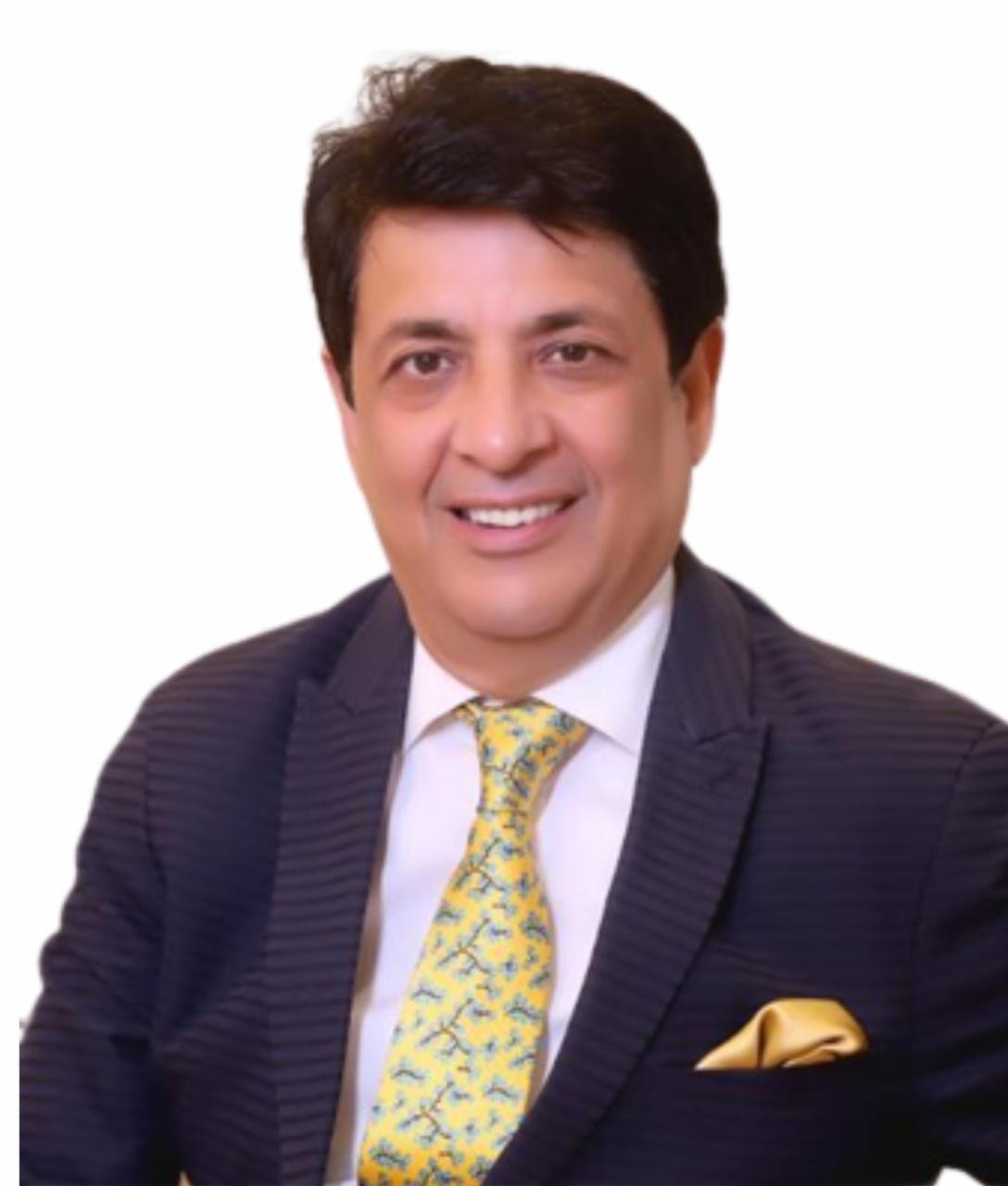
“Despite temporary global sluggishness, India’s long-term industry fundamentals remain remarkably robust due to a vast manufacturing base, favourable demographic shifts, and strong entrepreneurial resilience.”
Prem Kumar
India’s traditional leather and footwear industry finds itself at a critical crossroads. The biggest challenge before it is to balance short-term geopolitical shocks with unprecedented medium-term market access. In this exclusive interview, Moti Lal Sethi, Regional Chairman (Northern Region) of the Council for Leather Exports (CLE) and Director of Saroj International Leathers Pvt. Ltd, provides a candid assessment of the sector’s operational realities. Representing a heavily MSME-dominated domain, Sethi breaks down the five key challenges that are slowing down export growth, ranging from escalating compliance costs to acute labour deficits. More importantly, he outlines immediate policy levers for supply chain mapping, logistics mitigation, and strategic institutional realignments necessary to aggressively capitalise on the ‘China Plus One’ shift and a new generation of global Free Trade Agreements. Excerpts of the interview:
Q. What are the primary short-term and long-term challenges currently facing India's leather and footwear industry?
A. In the present global scenario, I see five distinct challenges that are heavily impacting the industry.
The first is the global economic slowdown and cautious consumer spending. Pure leather products—whether wallets, footwear, or bags—are high-value, fashion-oriented items. Because they are non-essential discretionary goods, market performance relies heavily on positive consumer sentiment. Currently, demand in major importing hubs like Europe and the United States has been significantly impacted by macroeconomic uncertainties, inflationary pressures, and geopolitical tensions, leading to highly cautious discretionary spending.
The second is intense regional competition and delayed FTA advantages. India faces fierce competition from nations like Vietnam, Indonesia, Bangladesh, and China. Many of these competitors have long enjoyed preferential market access through well-established Free Trade Agreements (FTAs), embedding themselves deeply into global value chains. While the Government of India has taken excellent initiatives to negotiate new FTAs, our implementation is still at an initial stage. Bridging this historical competitive advantage remains a critical challenge.
The third challenge is rising production, compliance, and sustainability costs. Domestic manufacturing costs related to labour, logistics, and strict international compliance are increasing exponentially. International buyers now mandate strict traceability, environmental compliance, and responsive sourcing, all of which require substantial capital investment from manufacturers. Concurrently, the government is shifting away from offering direct subsidies, urging exporters to become structurally self-sustaining.
Fourth is the acute deficit of skilled manpower. The availability of skilled talent for modern footwear manufacturing, product development, and advanced operations remains a major hurdle. Recently, industrial units have faced acute labour shortages as a significant workforce segment relocated away from major manufacturing clusters. The inflow of new skilled workers is currently lower than the outflow, meaning the industry’s specialised skill councils must work much harder to generate fresh human resources.
Finally, there are the structural vulnerabilities of MSMEs. Seamless integration into global supply chains is particularly challenging because nearly 70 per cent to 80 per cent of India's leather sector is driven by Micro, Small, and Medium Enterprises (MSMEs). These units face severe operational constraints and urgently require a smoother ease of doing business environment, continuous working capital liquidity, affordable financing options, and robust factoring services.
Q. What specific structural solutions or policy interventions should the government prioritize to address these challenges?
A. While overall domestic merchandise exports have shown a promising 15 per cent incremental growth recently, the leather sector has not yet matched that trajectory. To unlock this latent potential, reforms are crucial. The government should intervene in three key areas.
The first critical area is supply-chain mapping and localising component manufacturing. The Indian leather supply chain requires deep modernisation. Currently, turnaround times for finished products are prolonged because we rely heavily on imported trims and components from countries like China. The government should map the supply chain to invite targeted investments for component manufacturing right here in India, thereby significantly improving domestic lead times and productivity.
The second priority must be mitigating logistical costs. Indian logistics costs remain high compared to global standards. Due to ongoing geopolitical and maritime disruptions, many ocean shipments face severe delays, forcing manufacturers to opt for expensive air freight to avoid order cancellations. While the government is correctly building industrial parks and offering developer incentives—like a Rs 1 crore subsidy to ensure affordable land—indirect logistical cushioning and robust infrastructure support are urgently needed during crisis periods.
Upgrading academic and technical institutions should also be a priority. Premier institutions such as the Footwear Design and Development Institute (FDDI), the National Institute of Fashion Technology (NIFT), and the Central Leather Research Institute (CLRI) must realign their mandates. They need to shift focus toward advanced design capabilities, automation, and the adoption of Industry 4.0 technologies. By imparting this knowledge, they can act as a crucial technical anchor to help MSMEs compete on international quality standards.
Q. Where do the mid-term opportunities lie for the industry, and how can India leverage them?
A. Despite temporary global sluggishness, India’s long-term industry fundamentals remain remarkably robust due to a vast manufacturing base, favourable demographic shifts, and strong entrepreneurial resilience. We can capitalise on these through three clear avenues.
The first is capitalising on the ‘China Plus One’ strategy. While the global post-COVID ‘China Plus One’ sentiment creates a massive window for sourcing diversification, global brands still seek a higher comfort level regarding Indian manufacturing performance, compliance, and scalability. Currently, India accounts for only about 3 per cent of the global leather market. This low market share reveals an immense, untapped frontier for growth if we rapidly scale up factory capacities.
The second is maximising new-age Free Trade Agreements (FTAs). The recently concluded India-UAE and India-Australia trade pacts, along with the prospective India-UK FTA and upcoming European agreements, will soon grant Indian leather products preferential accessibility to nearly 66 per cent of the global market. To prevent the industry from missing out on this historic window, we are launching awareness initiatives to train exporters on optimising these new duty structures before the FTAs become fully operational.
The European market remains another key avenue to focus on. The Council for Leather Exports (CLE) is moving aggressively on international market penetration. For instance, Indian delegations are already participating in premier trade platforms like the Garda Footwear Show (Expo Riva Schuh) in Italy. The government should continue funding major trade exhibitions and showcasing events across Europe. Enhancing India's physical product visibility in European fashion hubs will allow us to immediately capture market share as trade barriers lower.
Crucially, because the leather and footwear sector is highly labour-intensive, its expansion directly fulfils the national priority of mass employment generation. With the dynamic backing of the Ministry of Commerce and Industry, the sector is well-positioned to transition from a traditional manufacturing base into a highly efficient, sustainable global sourcing hub.
---