
West Asia crisis rattles Indian leather industry as costs soar and shipments stall
LW Desk
The escalating conflict in West Asia has dealt a severe double blow to India’s leather industry, a vital foreign exchange earner that generates over $4.5 billion annually. As the Iran war triggers a sharp escalation in freight costs and disrupts logistics, exports worth nearly $200 million to Gulf markets are now at risk due to the suspension of shipping and air services.
The crisis is not limited to logistical issues alone; it is directly impacting the cost of production. Rising crude oil prices have caused a sharp increase in the price of petroleum-based raw materials, including polyurethane (PU), ethylene vinyl acetate (EVA), rubber, and TPU. Moreover, chemicals used in the tanning process have gone up in tandem with oil prices.
Ramesh Juneja, chairman of the Council for Leather Exports (CLE), highlighted the severity of the situation, stating: “Costs have risen across every stage of the production chain, from processing raw hides into finished leather to manufacturing end products. Moreover, the availability of some of the items is now scarce.”
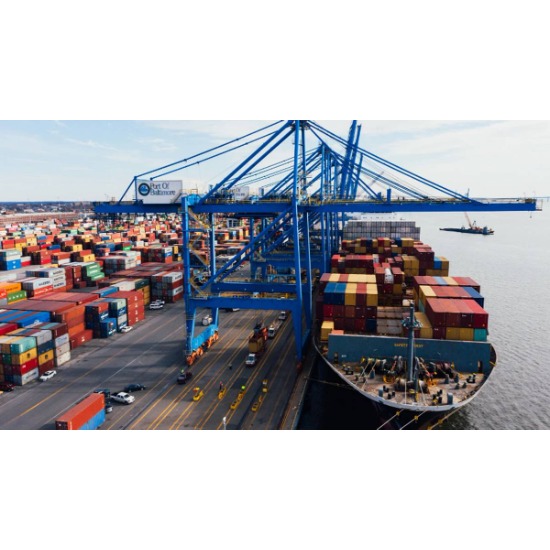
The disruption goes beyond the Gulf. Shipments to Europe and the US—the industry's two primary export destinations—have been hit by longer voyages to avoid war-hit zones. These rerouted paths have added significantly to freight costs, while air freight prices have surged by two to three times.
Exporters report that month-long disruptions have spiked overall costs by 20–30%. However, international buyers remain reluctant to share this financial burden. Mohammed Azhar, president of the Indian Leather Products Association (ILPA), noted the predicament of manufacturers: “We have booked the orders months back, but costs have gone up with the war. But buyers are unwilling to share.”
Beyond the movement of goods, the conflict has hindered the movement of people. Azhar pointed out that the disruption in air travel via West Asia from Europe and the USA has also hit buyer visits, further straining business relationships.
Currently, manufacturers are operating with limited raw materials and growing anxiety. Industry experts warn that even if the crisis ends immediately, it could take up to three months for normalcy to return. In response, the industry is seeking government intervention. “We have written to the ministry of commerce seeking assistance in air freight subsidy, import duty relief,” Juneja said. Additionally, the ILPA is hoping for the rollout of collateral-free loans, similar to those extended during the Covid-19 pandemic, to help the sector survive the volatile landscape.
—