
India's textile sector's woes over import duties
LW Desk
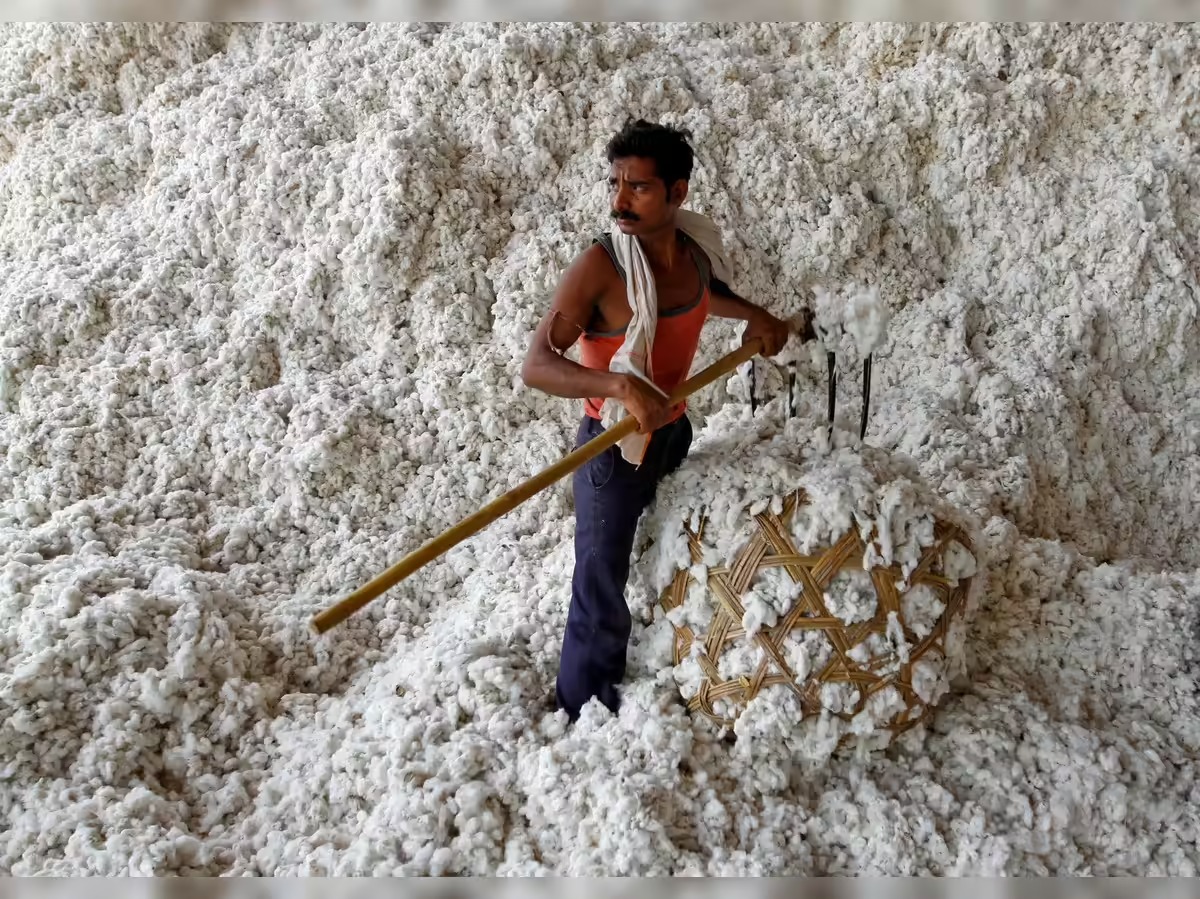
The Confederation of Indian Textile Industry (CITI) has released a landmark study warning that high import duties and stagnant productivity are undermining the global competitiveness of India's textile sector. The report, titled ‘Economic Analysis of Cotton Supply, Pricing, and Trade Policy in India,’ was prepared jointly by Gherzi and the International Cotton Advisory Committee (ICAC). It argues that the current 11 per cent import duty on cotton creates a significant disadvantage for Indian manufacturers compared to Asian rivals who enjoy duty-free access to international markets.
Ashwin Chandran, Chairman of CITI, stated that the findings provide an implementable roadmap to reach the industry’s ambitious $350 billion target by 2030. He emphasised that a thriving textile and apparel industry is the most reliable customer for domestic farmers, aligning with the government's strategic "5F" vision. However, the study points out that the current policy environment is volatile; a temporary waiver on import duties that lasted from August to December 2025 was reinstated on 1 January 2026, disrupting mill operations and market predictability.
To level the playing field, the report suggests empowering the Cotton Corporation of India (CCI) to supply raw materials at internationally competitive prices. This would require an estimated annual buffer of approximately 1,500 crore rupees, allowing the CCI to provide around 100 lakh bales, roughly one-third of the national crop, at parity with global rates. Additionally, the study recommends that the CCI maintain a strategic three-month inventory to cushion the industry against price volatility, mirroring the reserve policies of other major producers like China.
Beyond trade barriers, the Gherzi-ICAC report highlights a critical need to address declining farm-level profitability caused by stagnant yields. As production costs rise, farmers struggle to benefit from market opportunities, making the improvement of cotton productivity essential for the long-term viability of the crop. The researchers propose the creation of an institutional price stabilisation mechanism, including a Cotton Price Stabilisation Fund with a 5 per cent interest subvention to help mills manage working capital during the peak procurement season of November to March.
The urgency of these reforms is underscored by recent trade data. The textile and apparel sector, which is India’s second-largest employer, saw its exports fall by 2.2 per cent in dollar terms to $35.79 billion during the 2026 financial year. Analysts argue that without withdrawing the 11 per cent import duty and aligning domestic market conditions with global benchmarks, the sector risks further erosion of its market share at a time when it aims to triple its total value within the decade.