
African leather sector urged to bridge skills gap, strengthen value chains
LW Desk
Africa's leather industry has the potential to become a major driver of industrialization, exports and employment, but a shortage of skilled labour, weak value chains and limited investment continue to hinder its growth, industry leaders and policymakers have said.
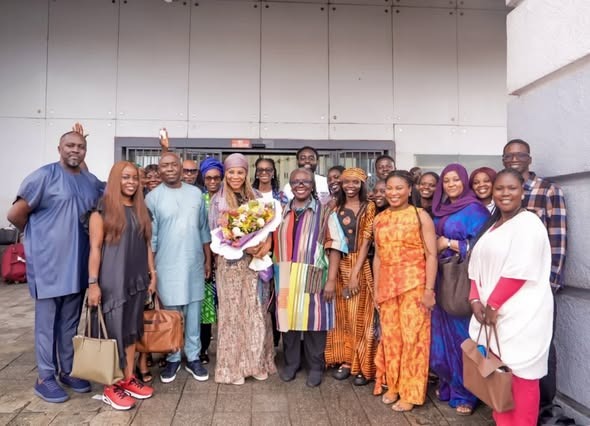
The concerns were highlighted during the Lagos Leather Fair (LLF) 2026 and the Fashion, Leather and Creative Enterprise Spotlight, organized by the United Nations Development Program (UNDP) in partnership with the Lagos state Government.
Speaking at the fair, LLF Convener Femi Olayebi identified the shortage of skilled labour as the industry's biggest challenge, saying the sector cannot compete globally without strengthening its workforce and rebuilding fragmented value chains.
"The biggest challenge of all is the lack of skilled labour. Without the skilled hands to transform our dreams into reality, we cannot begin to talk about expanding locally or globally," Femi Olayebi said.
She noted that while demand for locally made leather products is growing, structural weaknesses continue to limit the sector's competitiveness. She said the Lagos Leather Fair was established to connect stakeholders across the leather value chain and provide quality-focused local brands with greater market access.
Echoing these concerns, UNDP regional director for Africa Ahunna Eziakonwa said Africa continues to lose significant economic value by exporting raw hides and skins while importing finished leather products. Although the continent produces about 2.3 billion square meters of leather annually, it accounts for only around four per cent of global production despite having abundant livestock resources.
To illustrate this gap, she noted that Nigeria, one of Africa's leading leather producers, has the capacity to manufacture more than 200 million pairs of shoes annually, yet produces only a fraction of its potential.Financing constraints, inadequate infrastructure, outdated technology, weak supply chains and limited market access remain major barriers, she said, adding that the African Continental Free Trade Area (AfCFTA) offers a significant opportunity to strengthen regional manufacturing and intra-African trade.
Lagos State officials reaffirmed their commitment to supporting the leather sector through stronger public-private partnerships, improved enterprise support and expanded market access for small businesses. UNDP Nigeria resident representative Elsie Attafuah also called for greater investment in financing, digitalization, branding and integrated value chains to help local businesses become globally competitive.
Industry stakeholders agreed that coordinated investment in skills development, manufacturing capacity and regional collaboration is essential for transforming Africa from a supplier of raw materials into a globally competitive producer of value-added leather products.