Tamil Nadu’s leather sector plans to thrive in the FTA Era
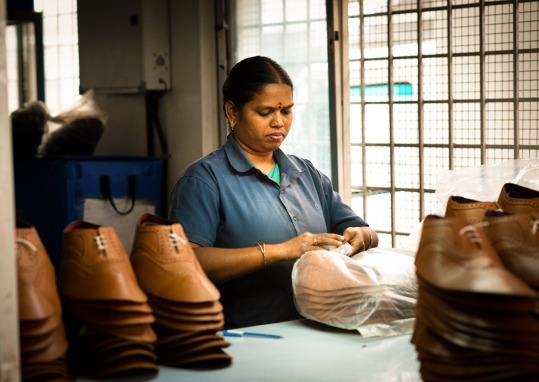
Facing rising talent competition in Chennai, Tamil Nadu’s leather industry urges the state government to develop dedicated women’s housing and skilling facilities.
Prem Kumar
The traditional leather and footwear hubs of Tamil Nadu are experiencing a period of significant change. For decades, the industry has served as a steady pillar of the state's economy, supporting livelihoods across semi-urban and rural landscapes. However, a combination of regional industrial shifts and growing global trade potential highlights the need for steady, systemic evolution. To navigate this transition, the sector is seeking a strategy that balances technological modernization with a supportive, worker-centric infrastructure model.
According to M. Abdul Wahab, Managing Director of KH Exports India Pvt. Ltd. and Regional Chairman of the Council for Leather Exports (Southern Region), the growth of technologically advanced sectors, such as electronics manufacturing and electric vehicles (EVs), in and around Chennai has enormously increased competition for talent. This industrial shift has contributed to a notable labour shortage for traditional industries, Wahab noted. To address this trend, he underlined the importance of making the leather and footwear sector more sustainable and appealing to the workforce, with a specific focus on supporting and retaining women workers.

Housing and Safeguarding Core Workforce
The industry’s reliance on women is quite extensive. Wahab noted that the leather and footwear industry remains a key pillar of Tamil Nadu’s economy, serving as a major socio-economic driver that provides employment to nearly 1.95 million people across the state. Within this workforce, about 98% of the units operate in the MSME segment, and approximately 85% of the employees are women, largely drawn from rural and economically weaker sections of society. For these individuals, the sector provides an important economic foundation, offering formal employment, opportunities for growth, and financial independence.
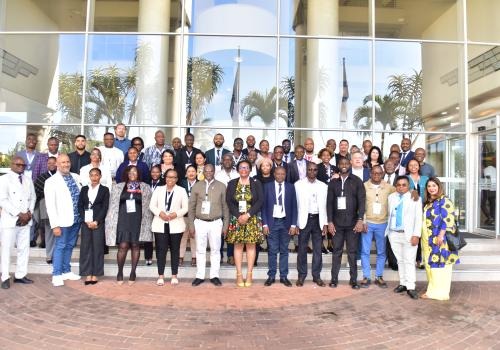
To protect this economic backbone, Wahab recently presented a comprehensive roadmap of demands to the state government during the Industry Leaders’ Connect 2026, organised by Guidance Tamil Nadu in association with the State Industries Department in Chennai. A central point of this proposal is the construction of dedicated hostel facilities for the expanding women workforce in close proximity to major leather clusters, specifically targeting the hubs of Ambur and Ranipet.
This strategic push draws directly from the successful housing models deployed for mobile manufacturing units in Sriperumbudur. "We have urged the state government to construct women-friendly dormitories in close proximity to leather clusters,". Wahab stated. To ensure high retention, he added that these residences must be fully equipped with essential amenities and robust safety measures tailored for women workers, including 24/7 CCTV surveillance, secure access control, on-site healthcare facilities, and reliable crèche services.
Responding actively to these industrial needs, the state government has demonstrated strong policy alignment. TN Venkatesh, Principal Secretary of the Department of Handlooms, Textiles, Khadi, and Handicrafts, announced at a meeting in Tiruppur that the State has allocated Rs. 1,250 crore to construct ‘Thozhi Hostels’ (women’s hostels) in industrial clusters. Currently individual companies finance accommodation for a growing pool of northern migrant workers, and state-backed housing will definitively help the industry achieve higher productivity and growth, agree industry leaders.
Skilling for Bigger Pie
Beyond housing, Wahab’s structural blueprint for the industry's survival hinges on continuous, localized education. He maintained that establishing dedicated training and skilling centres near these manufacturing clusters is critical to onboarding fresh recruits, certifying entry-level workers, and upskilling the existing workforce. "In today’s fiercely competitive global landscape, continuous upskilling is no longer optional, it is a strategic necessity," Wahab asserted, "particularly for labour-intensive and evolving sectors like leather, footwear, and garments."
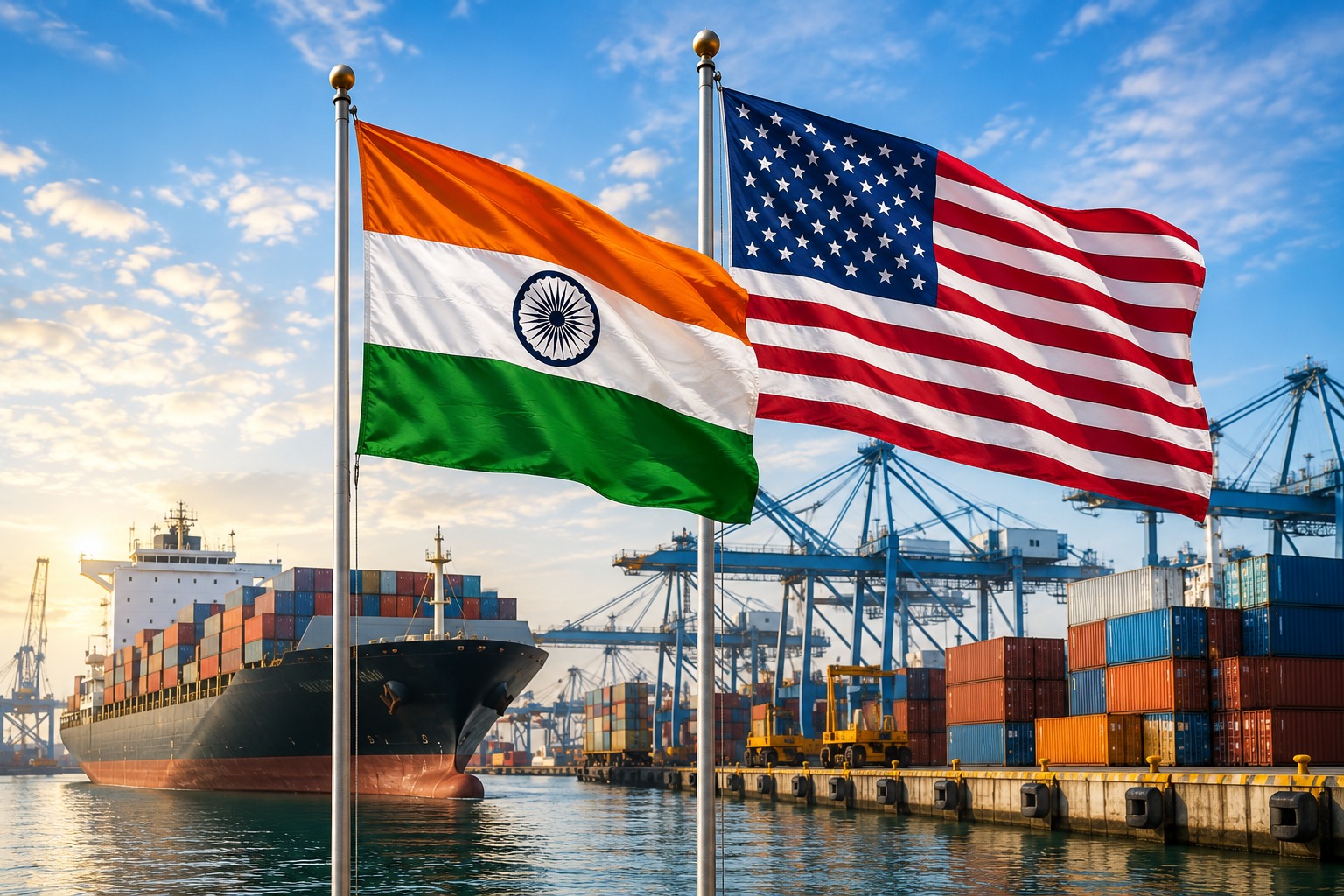
This focus on increased operational readiness arrives at a moment of notable global opportunity. Pointing to the multiple Free Trade Agreements (FTAs) signed by the Government of India in recent years, such as the pacts with the UK, the EU, the UAE (CEPA), along with Australia (ECTA), and New Zealand, Wahab noted that these accords present significant opportunities. He added that the benefits extend beyond Tamil Nadu’s manufacturing clusters, supporting a positive growth trajectory for the entire nation's leather and footwear sectors.
The dividends of these pacts are already tangible. "We are already witnessing a 10% to 15% surge in export orders from our international partners, driven by recently implemented FTAs," Wahab revealed. "As more agreements are operationalized, the industry will benefit from greatly expanded market access, a drastic reduction in tariff barriers, and significantly enhanced global competitiveness. In due course, this will pave the way for sustained, long-term export growth and deeper integration into global value chains." To capitalize on this momentum, the sector has set an ambitious target to achieve Rs. 25,000 crore in exports by the year 2030.
Push for Micro-Enterprise Modernization
Achieving this export potential will require a steady upgrade of manufacturing infrastructure. Because the sector is predominantly comprised of MSMEs that operate on lean capital, Wahab explained that state supportive intervention is necessary to guide the industry through this transition.
To bridge this gap, Wahab has suggested that the government establish a structured modernization framework. Specifically, the industry is seeking capital subsidies of 30% for MSMEs and 20% for large enterprises to upgrade machinery and expand capacity. He explained that the government could support the industry by helping upgrade machinery to meet global automation standards, streamlining regulatory processes to improve the ease of doing business, and providing targeted financial incentives to offset the capital costs of technology adoption. This balanced support, he noted, will help ensure that even smaller enterprises can successfully transition to eco-friendly, high-efficiency manufacturing.
Furthermore, to support long-term growth, the industry has proposed the creation of a 1,000-acre integrated leather and footwear manufacturing park to serve as a hub for global investments. Wahab noted that several major overseas companies, particularly from Taiwan, have already signed investment agreements with the Tamil Nadu government. These include companies such as Hong Fu at Panapakkam, Pou Chen at Kallakurichi, Feng Tay at Cheyyar and Tindivanam, and Crocs through its partnerships with Kothari and Phoenix at Eraiyur.
This alignment of corporate planning and state policy is expected to strengthen the state's economic landscape. In conclusion, Wahab welcomed the vision of the state government led by Chief Minister C. Joseph Vijay. He noted the administration's strategic focus in prioritizing the development of the leather and footwear sector, positioning Tamil Nadu to expand its presence in the global market in the post-FTA era.
—-