
Zimbabwean leather producers eye china market as zero-tariff policy takes effect
LW Desk
Zimbabwe’s exotic leather industry is preparing for a major push into the Chinese high-end market, capitalizing on a new zero-tariff policy for 53 African nations that took effect on May 1. The policy is expected to significantly enhance the competitiveness of Zimbabwean craftsmanship, particularly in the niche sector of legally sourced exotic skins.
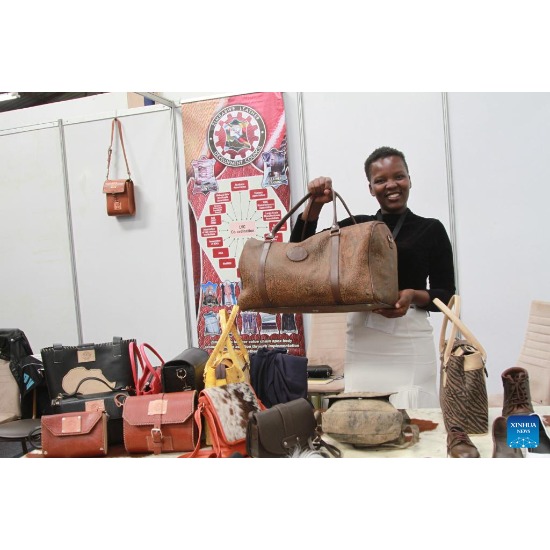
Exotic leather manufacturers, such as Front Page Leather Products, which specialises in elephant, crocodile, and buffalo skin goods, believe the duty-free access will provide a much-needed expansion of their footprint in China. These small and medium enterprises (SMEs) have maintained a presence at the China International Import Expo (CIIE) since 2018, reporting steady growth in interest from Chinese buyers.
Industry leaders anticipate that the removal of trade barriers will trigger a surge in demand, necessitating a ramp-up in local production. However, SMEs continue to face hurdles, including limited access to capital and modern machinery. There is hope that increased engagement with the Chinese market will attract the investment required to transition these start-ups into large-scale exporters.
The Zimbabwe Leather Development Council (ZLDC) is actively seeking deeper partnerships with Chinese firms to modernise the local value chain. Beyond finished goods like belts, bags, and footwear, the industry is looking toward China for essential manufacturing inputs, including tannery chemicals and specialized components.
Zimbabwe’s leather industry is looking to China’s as a partner in developing its entire leather value chain. While Zimbabwe possesses high-quality raw hides and a strong historical background in leather crafting, Chinese manufacturing expertise could help local players become globally competitive.
Despite the export potential, the sector faces stiff competition at home from cheap synthetic imports and second-hand footwear. Small-scale producers are working to reclaim domestic market share by promoting the durability of genuine leather over low-cost alternatives.
The industry’s expansion remains strictly regulated, operating under the Convention on International Trade in Endangered Species (CITES) to ensure that the trade in exotic skins remains legal and sustainable. As the sector undergoes a revival, the focus remains on leveraging the country’s diverse livestock and wildlife resources to create a high-impact manufacturing landscape that contributes to Zimbabwe’s national GDP.