Vietnam’s Footwear Industry Pushes for Greater Raw Material Self Sufficiency
LW Desk
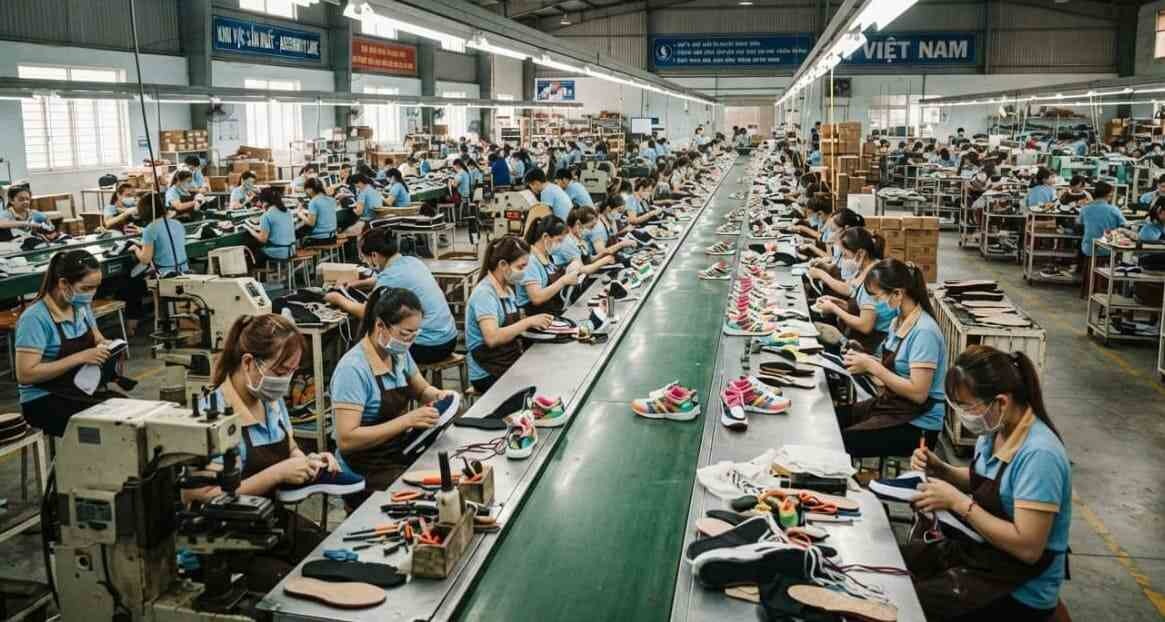
Vietnam’s footwear industry is stepping up efforts to reduce its dependence on imported raw materials and components as manufacturers face rising supply-chain risks, stricter trade requirements and growing pressure to meet global sustainability standards.
The footwear sector recorded US$ 11.949 billion in exports in the first two quarters of 2026, up 0.5% from the same period last year. Vietnam also remained the largest footwear supplier to the US market, with footwear exports to the country reaching US$ 2.47 billion in Q1 2026, an increase of 9.27%.
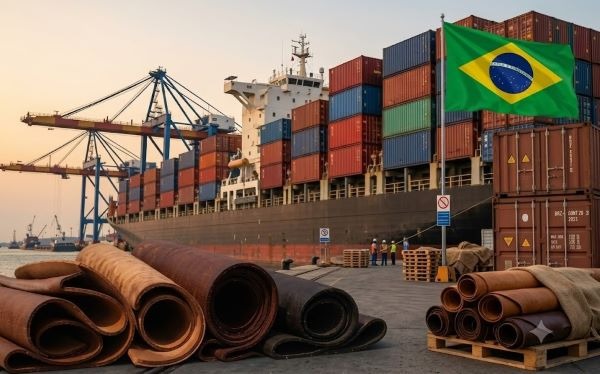
Despite this performance, the industry remains highly dependent on imported materials. With around 90% of footwear production destined for export, manufacturers are particularly exposed to disruptions in international logistics, geopolitical tensions and changes in trade policies.
Raw materials account for approximately 60% to 65% of the production cost of a pair of shoes, making the availability and cost of leather, textiles, synthetic materials, soles, accessories, chemicals and other components critical to manufacturers' competitiveness.
Raw Materials Key to FTA Benefits
Greater domestic sourcing is also important for Vietnamese footwear manufacturers seeking to take full advantage of Free Trade Agreements (FTAs). Meeting rules-of-origin requirements is becoming increasingly important for maintaining preferential access to major markets.
According to Phan Thi Thanh Xuan, Vice President and General Secretary of the Vietnam Leather and Footwear Association, the association has proposed studying the development of trade exchanges and a national strategic raw material reserve system to help businesses secure supplies more proactively.
The industry is also seeking to move beyond traditional CMT (Cut, Make, Trim) production towards original design manufacturing (ODM) and the development of Vietnamese brands. This could help manufacturers capture greater value within the footwear supply chain and reduce their dependence on foreign invested enterprises, which currently account for around 80% of the industry's total turnover.
Technology and Green Production
Vietnamese footwear companies are simultaneously investing in digital transformation, smart factories, automation, laser cutting and 3D design to improve production efficiency, reduce costs and increase product quality.
Sustainability is another major factor shaping the industry's raw material strategy. International buyers are increasingly demanding recycled materials, chemical management, water and energy efficiency, traceability and lower carbon emissions. Companies exporting to Europe must also prepare for requirements such as the EU Digital Product Passport (DPP).
The government has identified domestic production of raw materials and components as a strategic priority under Vietnam's development strategy for the textile, garment and footwear industries through 2030, with a vision to 2045.
For Vietnam's footwear sector, building a stronger domestic raw material base could help shorten supply chains, reduce logistics costs, improve production flexibility and strengthen the industry's position in the global footwear value chain.