

UPPCB issues notices to 25 Kanpur tanneries
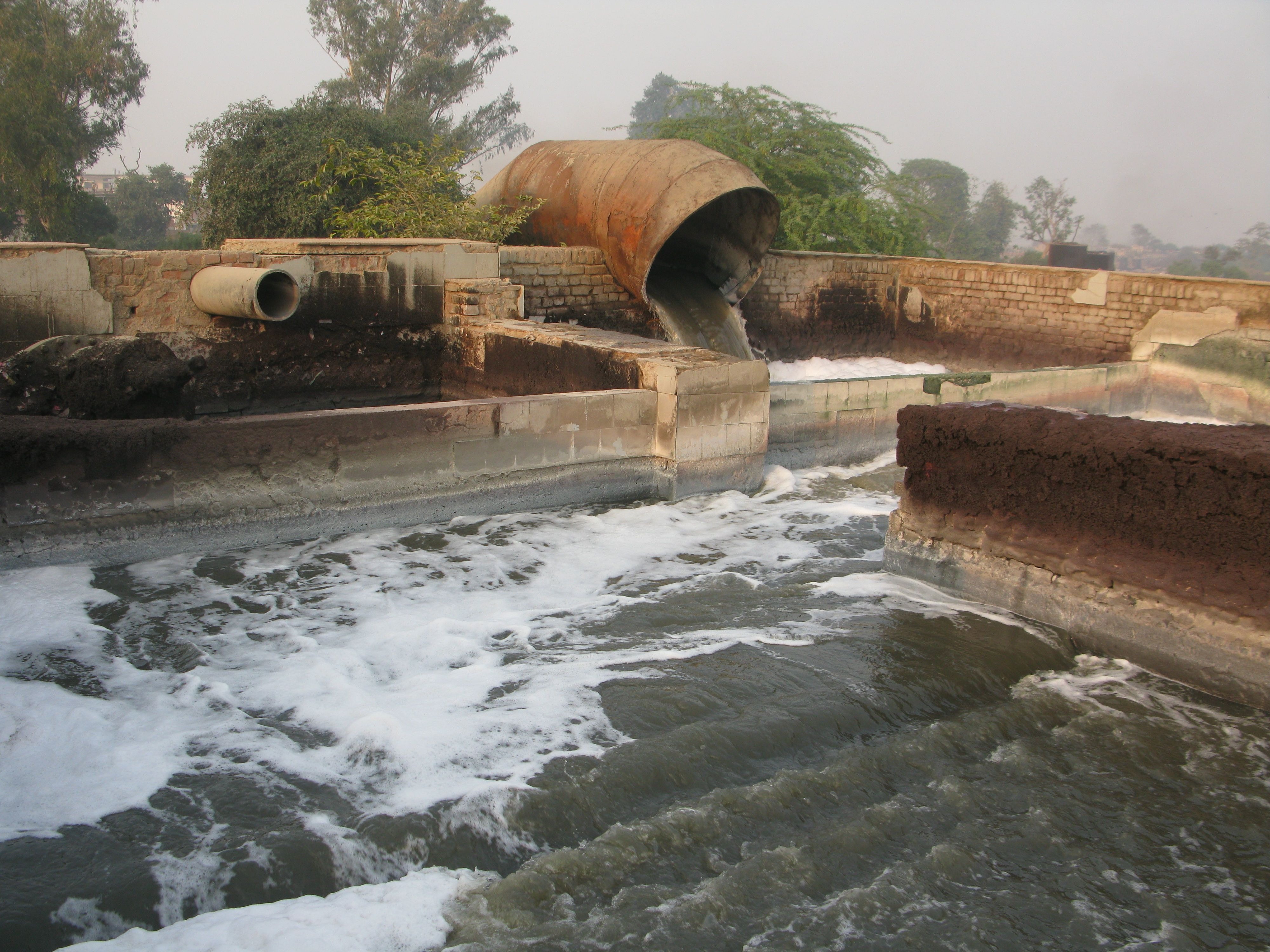
High chromium levels and untreated effluent detected during inspections in Jajmau
LW Desk
The regional office of the Uttar Pradesh Pollution Control Board (UPPCB) has issued notices to 25 tannery units in Kanpur's Jajmau industrial cluster after wastewater samples collected from the facilities failed to comply with prescribed environmental standards.
According to the Pollution Control Board, laboratory analysis found chromium concentrations in the discharged wastewater to be nearly three times higher than the permissible limit. Inspectors also discovered that the Total Suspended Solids (TSS) treatment systems at several units were either ineffective or non-functional, resulting in the discharge of inadequately treated effluent.
The regional office has submitted a detailed inspection report to the UPPCB headquarters for further action against the defaulting units.
The latest enforcement follows an earlier round of inspections conducted on July 1, when wastewater samples from around a dozen tanneries also failed quality tests. In addition, seven tannery units were found operating without obtaining the mandatory consent to operate from the pollution control authorities. Over the past week, a total of 44 tanneries have been served notices for environmental violations.
Regional Pollution Control Board Officer Ajit Suman said inspection teams have been conducting physical verification and technical assessments of tannery units across Jajmau over the past seven days. During the drive, officials found 274 tanneries operational, six voluntarily closed, 20 non-operational, and 47 dismantled.
Officials also reported that inspections of smaller-capacity tanneries revealed excess inventories of raw hides, finished leather and a larger-than-expected workforce, indicating that several units may be producing beyond their approved capacities.
The inspection campaign forms part of the state's ongoing efforts to strengthen environmental compliance in Kanpur's leather manufacturing hub, which has long faced scrutiny over industrial wastewater management and pollution control.