
Structural gaps weigh on Kenya’s leather sector: KIPPRA
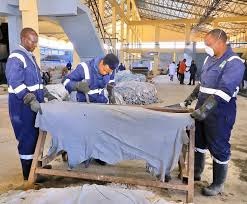
A KIPPRA study reveals that Kenya’s leather industry remains stuck at just 2% of manufacturing GDP due to low value addition, weak industrial linkages, and continued reliance on raw hide exports.
LW Desk
Despite being designated a priority sector under the government's Bottom-up Economic Transformation Agenda (BETA), Kenya's leather industry continues to face significant structural challenges that have limited its contribution to the country's manufacturing sector. The leather industry's share of manufacturing GDP has remained stagnant at approximately 2%, underscoring the need for deeper reforms to unlock its economic potential.
A recent study by the Kenya Institute for Public Policy Research and Analysis (KIPPRA) found that nearly 90% of Kenya's leather exports are still limited to raw hides and semi-processed skins, preventing the country from capturing higher value through finished leather products and manufacturing.
The report also highlights the absence of a structured subcontracting framework as a major obstacle to industry growth. While existing policies encourage the participation of micro and small enterprises (MSEs), these businesses remain largely disconnected from medium and large-scale manufacturers, restricting opportunities for technology transfer, market access, and integration into domestic value chains.
Beyond value addition, the sector continues to grapple with high production costs, outdated technology, and shortages of skilled labour. These challenges have weakened the competitiveness of Kenyan leather products in international markets .The industry is also facing increasing pressure from the growing availability of synthetic materials and the influx of second-hand footwear and leather goods, which continue to erode demand for locally manufactured products.
KIPPRA notes that addressing these structural constraints through stronger industrial linkages, improved technology adoption, skills development, and policies that encourage value addition will be critical if Kenya is to transform its leather sector into a globally competitive manufacturing industry.