
Cane toad skin luxury goods set for Australian shops
Cane toad leather production scheduled for 2027 as Australian luxury market expands
LW Desk
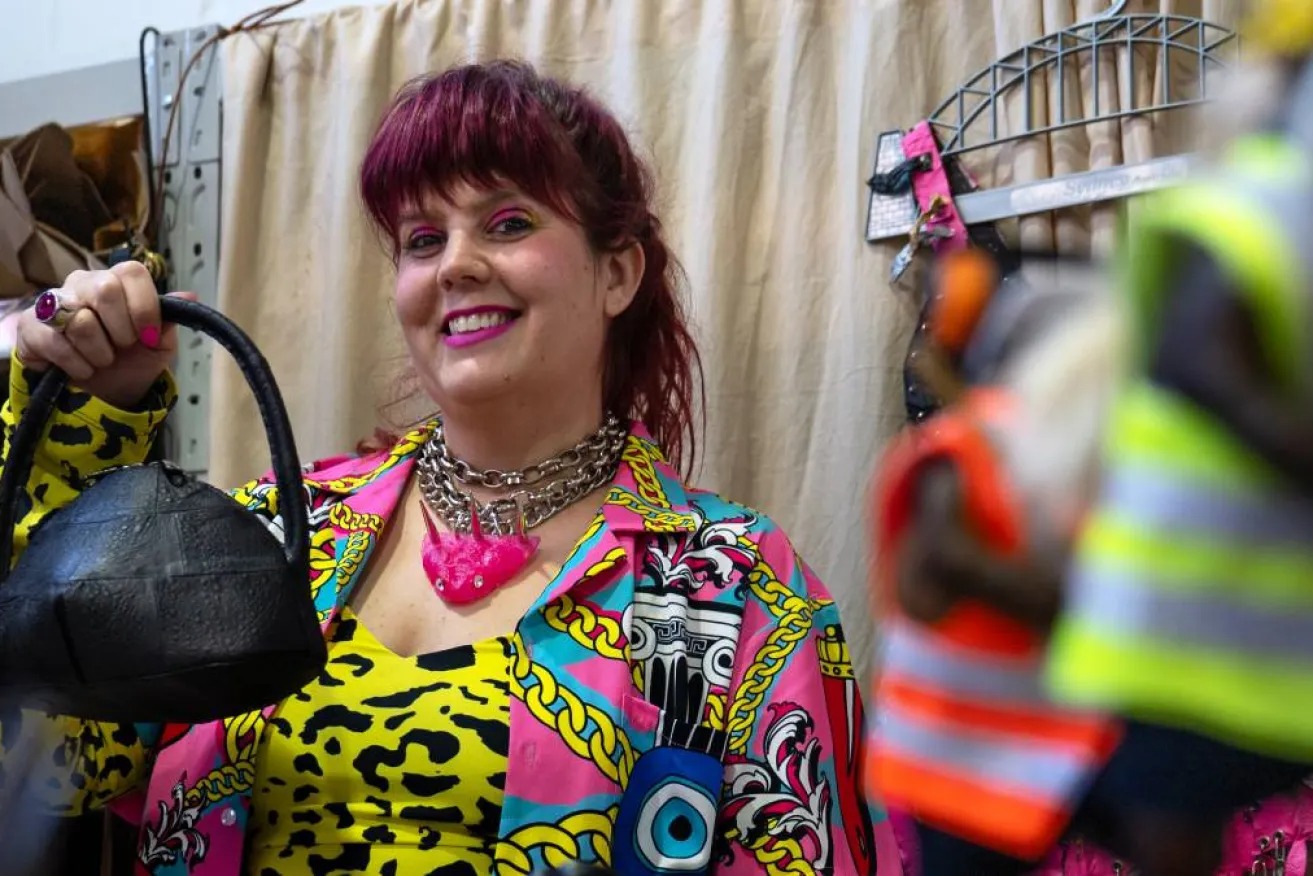
Australian-made luxury goods manufactured from cane toad leather are expected to enter the market by 2027. This timeline follows the establishment of Vermin Tannery in Cairns by Lia Tabrah and Perina Drummond in 2025. The project aims to convert an ecological disaster into a high-value export commodity. There is currently no industrial production of cane toad leather within Australia. The initiative is being showcased through a series of prototypes at Melbourne Design Week. Featured items include handbags, gloves, and wallets displayed at the Toad Takeover exhibition.
The raw material supply is supported by an estimated population of over 200 million cane toads in Australia. These animals were introduced in 1935 and have since become a destructive feral species with no natural predators. Transforming these hides into luxury items requires significant material volume. A single wallet necessitates approximately 15 toad skins due to the small surface area of individual hides. Tabrah and Drummond are positioning the brand to meet international fashion standards while addressing the environmental impact of the species.
Market drivers for the venture include a new chemical-free tanning process developed in collaboration with the University of the Sunshine Coast. This research program was funded by the Queensland government and delivered through CSIRO. The breakthrough demonstrates that toxic chemicals are not required to produce luxury-grade leather from noxious pests. This innovation aligns with global structural trends favoring sustainable and ethical material sourcing in the fashion industry. The technical process also involves humane culling methods to ensure compliance with animal welfare standards.
Regional logistics remain a primary challenge due to strict biosecurity laws. These regulations prohibit the transport of live or unprocessed toads across certain borders. Consequently, Vermin Tannery plans to implement on-site processing units. Tabrah intends to partner with Indigenous communities in affected regions, including the Torres Strait, Arnhem Land, and Fitzroy Crossing. This model allows for the production of limited-edition leather ranges tied to specific geographic origins. It also creates economic opportunities for mobile teams of workers on country.
The competitive outlook for Australian cane toad leather depends on the scalability of these decentralized tanning operations. The project faces competition from established exotic leather markets, such as crocodile and snake skins. However, the unique narrative of ecological restoration provides a distinct market advantage for the Dalal Street-style investor looking for environmental, social, and governance (ESG) opportunities. Currently, the market is in a pre-commercial phase. Designers such as Simone Agius and Kirk Ireland are contributing to the showcase to test consumer appetite before the 2027 market launch.