
Bangladesh Leather Exports Rise 2.8% in July as Overall Exports Slip
LW Desk
Bangladesh’s leather and leather products sector recorded positive export growth in July 2026, even as the country’s overall merchandise exports registered a marginal decline compared with July 2025.According to the latest data from the Export Promotion Bureau (EPB), Bangladesh earned $4.72 billion from merchandise exports in July 2026, down 0.90% from $4.77 billion in July 2025.
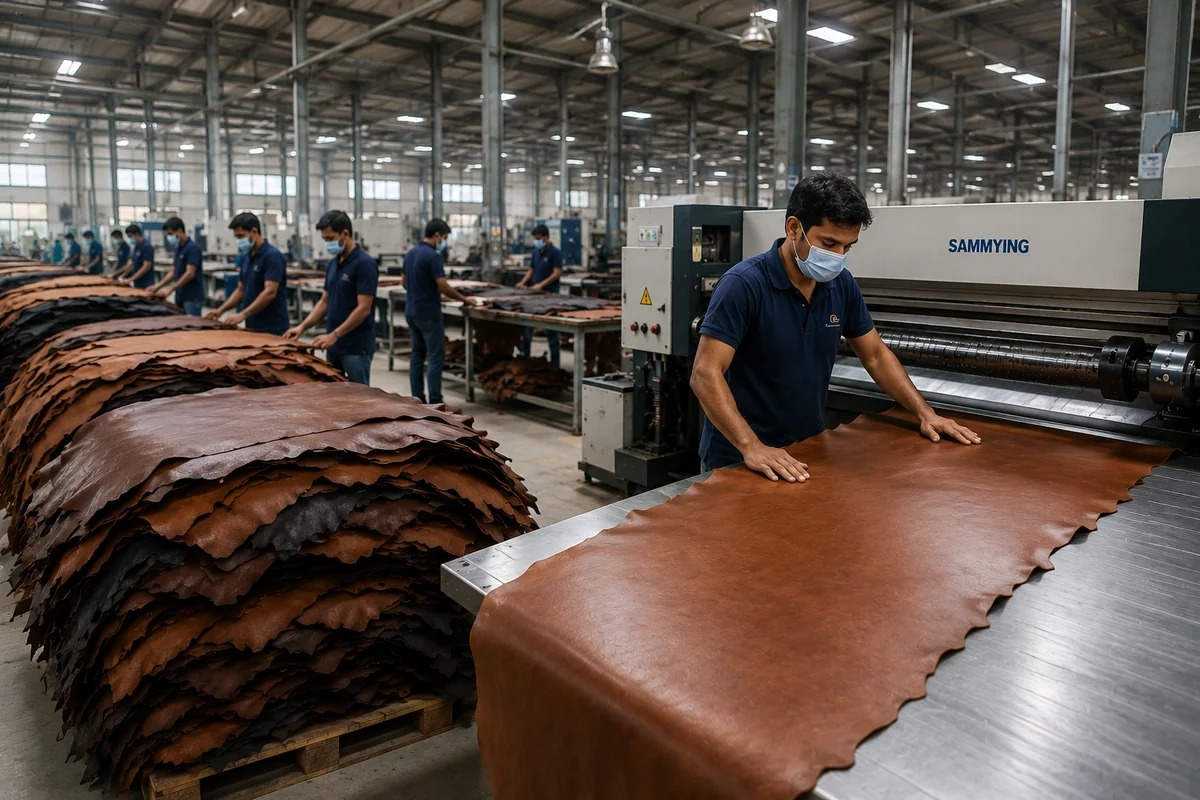
In contrast, exports of leather and leather products increased 2.81% to $130.96 million, compared with $127.38 million a year earlier. The performance provides an encouraging signal for Bangladesh’s leather industry as the country seeks to diversify its export base beyond its traditional dependence on readymade garments (RMG).
Leather sector maintains growth momentum
Leather and leather products were among the major non-RMG sectors to record export growth during July. The sector’s 2.81% increase was stronger than the 0.90% decline recorded in Bangladesh’s total merchandise exports. The growth in leather products, along with gains in other non-RMG categories, highlights the potential for greater diversification within Bangladesh’s export economy.
RMG exports decline
Bangladesh’s RMG industry remained the country’s largest export earner, generating $3.88 billion in July, down 1.92% from $3.96 billion in July 2025.Knitwear exports fell 0.90% to $2.15 billion, while woven garment exports declined 3.16% to $1.72 billion. Despite the year-on-year decline, Bangladesh’s export activity improved sharply compared with June 2026.
Total merchandise exports increased 12.38% month-on-month, from $4.20 billion in June to $4.72 billion in July. RMG exports rose 14.79% over the same period. The strong monthly recovery reflects increased shipment activity as manufacturers dispatched seasonal orders to international markets.
Opportunities for leather and footwear
The latest figures underline the potential of Bangladesh’s leather and footwear industry to play a larger role in export diversification. Greater investment in value-added leather goods, footwear manufacturing, product development, environmental compliance and access to international markets could strengthen the sector’s competitiveness.
However, exporters continue to face challenges related to gas and energy supplies, production capacity and geopolitical uncertainty. With leather exports maintaining positive growth despite a broader slowdown, the sector could become an increasingly important contributor to Bangladesh’s export earnings and its ambitions to expand its presence in global leather and footwear supply chains.
Top Stories
Related Articles

Four-Day Asia Bags and Cases Fair, Scheduled From October 30, Grows 2.5 Times in Size
Jordan’s Leather and Garment Sector Targets $5.5 Billion in Annual Exports, Plans IFC-Backed Textile Cluster
Agra Footwear Industry Favours Global Tech Adoption for Elevating Production