
Africa’s Leather Industry Needs Stronger Manufacturing Base, Says Mugano
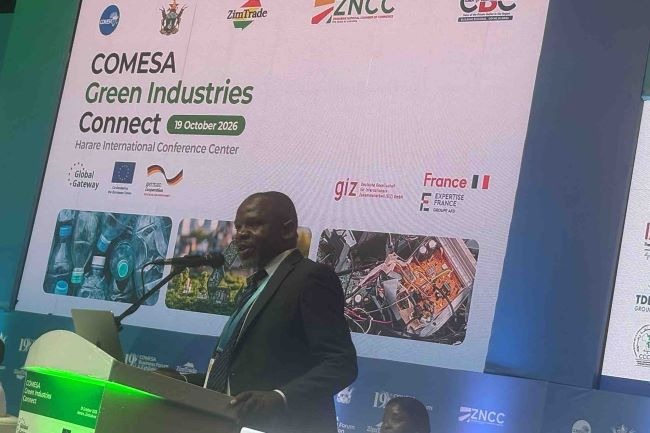
At the COMESA Green Industries Connect forum in Harare, the African economic strategist highlights trade imbalances, manufacturing opportunities and financing need to strengthen the continent’s leather value chain.
LW Desk
Africa needs to strengthen its leather manufacturing capabilities to generate more jobs and retain a greater share of the income from its livestock resources, Prof. Gift Mugano, Executive Director of African Economic Development Strategies, said at the COMESA Green Industries Connect forum in Harare, Zimbabwe, on October 19.
In his presentation, “Trade and Investment Opportunities for Leather and Circular Economy,” Mugano highlighted the commercial gap between raw hides and finished leather products. A salted hide worth US$5 to US$10 can generate approximately US$110 after tanning and finishing, illustrating the potential returns from developing processing and manufacturing industries.
He noted that the global footwear market is valued at around US$172 billion annually, while leather goods account for approximately US$97 billion. By comparison, the global hides and skins market is estimated at US$15 billion, underscoring the scale of opportunities available beyond raw material exports.
Trade Imbalance Limits Regional Growth
Despite its livestock resources, Africa remains heavily dependent on imports of finished leather products. Mugano cited Egypt’s annual leather exports of approximately US$61 million and Zimbabwe’s exports of around US$36 million, despite COMESA’s estimated share of 11% of the world’s cattle population.
He also highlighted the disparity between Africa’s estimated US$169 million in annual raw leather exports and approximately US$1.1 billion in imports of finished leather products. According to Mugano, the resulting loss of potential revenue and industrial activity exceeds US$1.3 billion annually.
Circular Economy Creates New Opportunities
Mugano also called for greater investment in circular economy activities, moving beyond the traditional “make-use-dispose” model towards systems that keep materials in productive use.
Citing estimates from the African Development Bank, he highlighted the potential to unlock up to US$546 billion in economic value across Africa through circular economy initiatives.
Leather trimmings, shavings and off-cuts could provide opportunities for waste recovery and reuse, while investments in wastewater treatment and resource recovery could improve environmental performance and create additional business activities.
Financing and Policy Support Needed
Mugano identified expensive or inaccessible finance, poor-quality hides and skins, weak standards infrastructure and limited processing capacity as major constraints. He also stressed the importance of expanding participation by women and young people.
He questioned why Africa’s substantial pension funds remain largely directed towards real estate and financial assets rather than productive industrial projects. He proposed dedicated financing mechanisms, including a Green Industrial Fund, alongside support from development finance institutions such as the African Development Bank.
His recommendations also included developing leather industry clusters, strengthening certification systems and connecting small and medium-sized enterprises with regional and international markets.
Mugano further urged governments to use public procurement to support domestic manufacturers, including suppliers of military boots, police footwear and other leather products. Such purchasing policies, he argued, could provide more dependable demand and encourage investment across Africa’s leather and footwear industries.