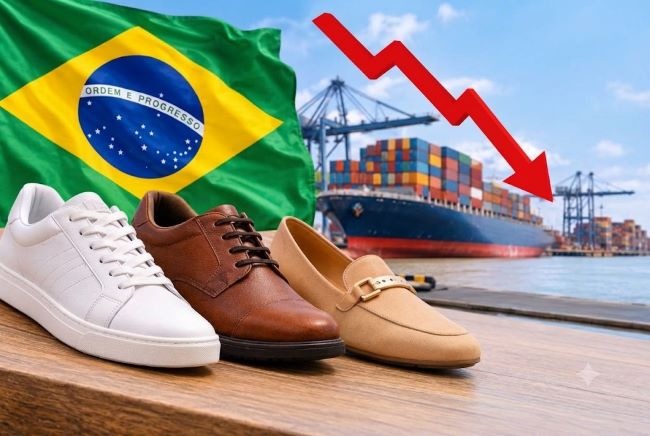
West Asia War Hits India's Leather and Footwear Industry Hard

LW Desk
Rising costs for raw materials and other supplies, along with maritime freight disruptions, are causing heavy financial strain on leather and footwear manufacturers.
The escalating conflict in West Asia has dealt a severe double blow to India’s leather industry, a vital foreign exchange earner that generates over $4.5 billion annually. The ongoing military conflict in West Asia, which was initially seen as a distant geopolitical event, soon turned into a severe financial crisis for Indian leather and footwear manufacturers and exporters. The long and repeated conflict is heavily impacting the industry, hitting small and medium businesses (MSMEs) with higher costs and endless shipping disruptions. For a manufacturing sector that depends on careful advance planning and global supply chains, the war has created fresh uncertainty for both receiving raw materials and delivering finished goods.
As the Iran war triggers a sharp escalation in freight costs and disrupts logistics, exports worth nearly $200 million to Gulf markets are now at risk due to the suspension of shipping and air services. As a result, companies are struggling to manage surging expenses for fuel and petroleum-based materials while facing major delays on air and sea shipping routes. Because global demand remains weak and competition is strong, Indian exporters cannot raise their prices to cover these extra costs. Operating on razor-thin profit margins, many factories have been forced to reduce their production, absorb heavy financial losses, and focus strictly on keeping enough cash on hand to survive.
Commenting on the impact of the West Asia conflict on India’s leather and footwear sector, Lalit Arora, Managing Director of Leather Linkers Pvt. Ltd., stated that the industry is facing difficult times. "Trade has slowed down sharply, while raw material and operational costs continue to climb, as a result of the regional disruption caused by the war," he said.
Spikes in material and chemical prices
The crisis is not limited to logistical issues alone; it is directly impacting the cost of production. Rising crude oil prices have caused a sharp increase in the price of petroleum-based raw materials, including polyurethane (PU), ethylene vinyl acetate (EVA), rubber, and TPU. Moreover, chemicals used in the tanning process have gone up in tandem with oil prices.
“Costs have risen across every stage of the production chain, from processing raw hides into finished leather to manufacturing end products. Moreover, the availability of some of the items is now scarce.”
- Ramesh Juneja, Chairman, Council for Leather Exports (CLE)
Ramesh Juneja, chairman of the Council for Leather Exports (CLE), highlighted the severity of the situation, stating, “Costs have risen across every stage of the production chain, from processing raw hides into finished leather to manufacturing end products. Moreover, the availability of some of the items is now scarce.”
The ongoing conflict has not only pushed up raw material prices for the industry, but it has also disrupted the supply of chemicals, which are an essential ingredient. On the supply end, conflict around key shipping passages like the Strait of Hormuz caused major disruptions to energy and petrochemical supplies. Because synthetic leather (PU-coated fabrics), EVA shoe soles, adhesives, and finishing chemicals are all made from petroleum, industry experts report that raw material costs have jumped by 40 to 60 per cent. Exporting factories that operate on thin profit margins continue to deal with these high costs, which they cannot pass on to buyers because global demand is weak.
Detailing the crisis, A. Atheequr Rahman, Chairman of the Indian Finished Leather Manufacturers & Exporters Association, stated that the conflict in West Asia has badly disrupted global supply chains, pushing up crude oil prices and triggering a sharp cost increase for petroleum products. He added that because the Indian leather and footwear industry relies heavily on synthetic compounds, glues, polyurethanes, and various processing chemicals, the war has created severe financial and operational stress. Rahman noted that the total cost of key raw materials, including tanning chemicals, synthetic shoe uppers, and soles, has risen by 20 to 30 per cent.
“Rising freight rates, fuel surcharges, and higher material costs have pushed up packaging and shipping expenses sharply.”
- A. Atheequr Rahman, Chairman, Indian Finished Leather Manufacturers & Exporters Association
Sanjay Leekha, Chairman & Managing Director of Alpine Group, and Chairman of the Leather Sector Skill Council (LSSC) noted that the long-running conflict is heavily hurting profits. Leekha explained that the biggest issue is the sharp rise in prices for oil-based materials, such as essential tanning chemicals, special synthetic linings, and structural supports. Because export prices for fashion and footwear are usually set six to nine months in advance, Indian manufacturers must pay for these sudden cost increases themselves, as they cannot pass them on to foreign buyers.
Logistical Challenges
The disruption goes beyond the Gulf. Shipments to Europe and the US—the industry's two primary export destinations—have been hit by longer voyages to avoid war-hit zones. These rerouted paths have added significantly to freight costs, while air freight prices have surged by two to three times.
Further down the supply chain, maritime shipping isn't helping Indian businesses either. Because ships have to avoid dangerous waters and take a longer route around the southern tip of Africa (the Cape of Good Hope), delivery times to major markets in Europe and North America are now 15 to 25 days longer.
On top of that, extra insurance costs for traveling near war zones and a major shortage of shipping containers have pushed freight prices much higher. Together, these problems make Indian exports far more expensive, hurting their ability to compete globally. Exporters report that month-long disruptions have spiked overall costs by 20–30%.
“Because export prices for fashion and footwear are usually set six to nine months in advance, Indian manufacturers must pay for these sudden cost increases themselves, as they cannot pass them on to foreign buyers.”
- Sanjay Leekha, Chairman & MD, Alpine Group & Chairman, Leather Sector Skill Council (LSSC)
Rahman, who is also the Managing Director of Tamil Nadu-based Habeeb Tanning Company, said that rising freight rates, fuel surcharges, and higher material costs have pushed up packaging and shipping expenses sharply. These growing energy and material costs are putting heavy financial strain on daily operations, especially for small and medium businesses in major footwear hubs like Kanpur, Agra, Chennai, and Ambur.
In addition to rising raw material costs, shipping has gotten much worse. Leekha explained that because the industry relies heavily on imports for special parts and wet-blue leathers, companies are facing major delays and a severe shortage of containers for both air and sea shipping. Consequently, essential materials are taking much longer to arrive, while outgoing shipments are delayed and far more expensive to send.
Sluggish demands strain margin
Even though production costs have jumped sharply, manufacturers cannot raise their selling prices because market demand is weak both at home and abroad. However, international buyers remain reluctant to share this financial burden. Beyond the movement of goods, the conflict has hindered the movement of people. The disruption in air travel via West Asia from Europe and the USA has also hit buyer visits, further straining business relationships.
A slowing global economy, high interest rates, and ongoing inflation in key export markets, especially the UK and Europe, have led to reduced spending by consumers. Rahman explained that Indian exporters and local manufacturers cannot pass these extra costs on to local distributors or foreign retail brands due to strong competition from other manufacturing regions and cautious spending by buyers. He added that overseas orders have dropped noticeably, as international buyers are delaying shipments, placing smaller orders, or asking for discounts to sell off their current stock.
This combination of rising costs and flat sales prices is seriously threatening the financial health of the whole industry. Profit margins have shrunk dramatically, forcing many small businesses to break even or suffer losses. At the same time, cash flow has become critically tight because inventory is taking longer to sell and buyers are paying late. Currently, manufacturers are operating with limited raw materials and growing anxiety. With fewer orders coming in from major foreign buyers, many factories have had to cut production, reduce working shifts, and focus entirely on saving cash. Industry experts warn that even if the crisis ends immediately, it could take up to three months for normalcy to return.
Policy challenges and outlook
In response to these mounting pressures, the industry is seeking government intervention. “We have written to the ministry of commerce seeking assistance in air freight subsidy, import duty relief,” Juneja said. Additionally, industry leaders are hoping for the rollout of collateral-free loans, similar to those extended during the Covid-19 pandemic, to help the sector survive the volatile landscape. These external problems are made worse by local government decisions. Small and medium businesses in major Northern manufacturing areas like Haryana and Uttar Pradesh have recently had to raise worker minimum wages by up to 30 per cent.
While fair pay is important for workers, Leekha emphasized that higher wages, combined with unexpected shipping and material costs, have made Indian exports less competitive. For labour-heavy factories working on very small profits, temporary government support, such as wage assistance or direct incentives for exporting, is becoming essential to help them survive.
Looking at the broader market outlook, Arora added, "Uncertainty is weighing heavily on the entire market. Because these challenges stem from global economic and political forces beyond local policy control, a lasting recovery can only happen once permanent peace and global stability are restored."
Top Stories
Related Articles
FBR Mandates Electronic Production Monitoring for Pakistan’s Synthetic Leather Industry
CSIR-CLRI Advances Sustainable Leather Manufacturing with New Technologies and Research Facilities

Italian Leather Goods General Assembly Highlights New Opportunities for SMEs Amid Luxury Market Shifts