
Bangladesh Plans Financial and Technical Support to Revive Closed Savar Tanneries
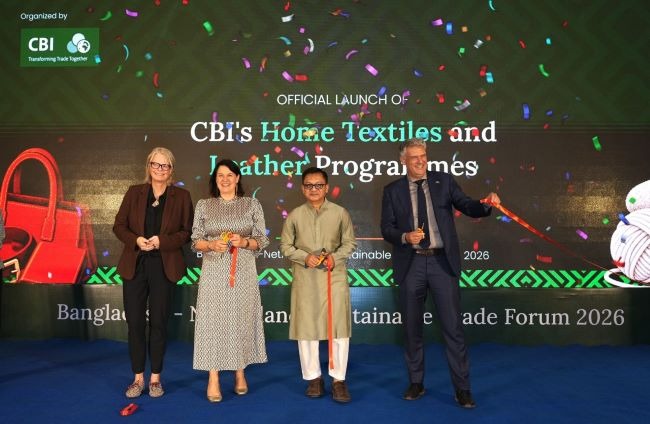
Bangladesh plans financial and technical assistance for non-operational Savar tanneries, while strengthening wastewater treatment and environmental compliance to improve leather industry competitiveness.
LW Desk
Bangladesh is seeking to revive its underutilized leather manufacturing capacity by extending technical and financial assistance to tanneries in the Savar Tannery Industrial Estate that have yet to resume production following their relocation from Hazaribagh. The initiative is part of broader government efforts to address longstanding infrastructure and environmental challenges and improve the industry's competitiveness in international markets.
Commerce Minister Khandaker Abdul Muktadir announced the proposed support while inaugurating the Bangladesh-Netherlands Sustainable Trade Forum 2026 and the CBI Home Textiles and Leather Program in Dhaka on November 11.
He said the government was working to resolve the difficulties facing the leather sector, particularly those linked to the prolonged relocation process. However, he made it clear that environmental compliance would remain a non-negotiable condition for industrial operations, warning that tanneries failing to meet regulatory requirements would not be permitted to operate.
A major focus is the improvement of wastewater treatment infrastructure at the Savar Tannery Industrial Estate. The government is planning to strengthen the capacity of the Central Effluent Treatment Plant (CETP) and introduce an improved chromium recovery unit to make industrial waste management more efficient.
The minister also said factories covering 50,000 square feet or more would be required to establish their own Effluent Treatment Plants (ETPs), reinforcing the emphasis on factory-level environmental responsibility.
The measures are intended to help Bangladesh address compliance gaps that continue to affect the international marketability of its leather products. Muktadir highlighted the country's export potential, noting that leather and non-leather products generated approximately US$1.78 billion in export earnings last year.
He identified the European Union as a promising destination for Bangladeshi products and pointed to neighbouring India as another important market. He stressed that consistent product quality, internationally recognized certifications and environmentally responsible manufacturing would be essential to expanding export opportunities.
The minister also highlighted the role of international cooperation in upgrading the sector. He said the Netherlands could contribute through its expertise in technology, institutional development and skills training, helping Bangladesh strengthen the capabilities of its export-oriented industries.
The newly inaugurated CBI Home Textiles and Leather Program will focus on improving business capabilities, meeting international standards and creating wider access to export markets.
The forum was jointly organized by the Netherlands' Centre for the Promotion of Imports from Developing Countries (CBI) and LightCastle Partners. Dutch Ambassador to Bangladesh Joris van Bommel and CBI Managing Director Judith Arends also addressed the event.
The government's proposed assistance could provide an opportunity to bring more production capacity back into operation at Savar. However, the success of the revival effort will depend on resolving infrastructure constraints while ensuring that environmental standards are fully integrated into the industry's future development.